Clothing Closet Fighting Climate Change. Our Clothing at Bethel is open to all: Cotton fast fashion inflicts severe environmental damage through intense water consumption, pesticide use, and massive waste generation. Producing one cotton t-shirt requires 2,700 liters of water, while the industry consumes 10% of global carbon emissions, driving ecosystem destruction like the Aral Sea disaster. Cotton severely depletes the soil, requiring significant fertilization or organic matter incorporation (like cover crops) before it can support healthy food crops. Approximately 92 million tons of textile waste are produced globally each year, with most ending up in landfills or incineration. This amount is equivalent to a garbage truck full of clothes being dumped every second. In the US, about 11.3 million tons of textile waste are generated annually, with an average American throwing away approximately 81 to 82 pounds (about) of clothing and textile waste annually. Only about 15% of used textiles are recycled, meaning the vast majority is thrown into landfills, burned, or sent to other countries. Only about 8% of old clothes are reused globally, leaving the rest to waste.
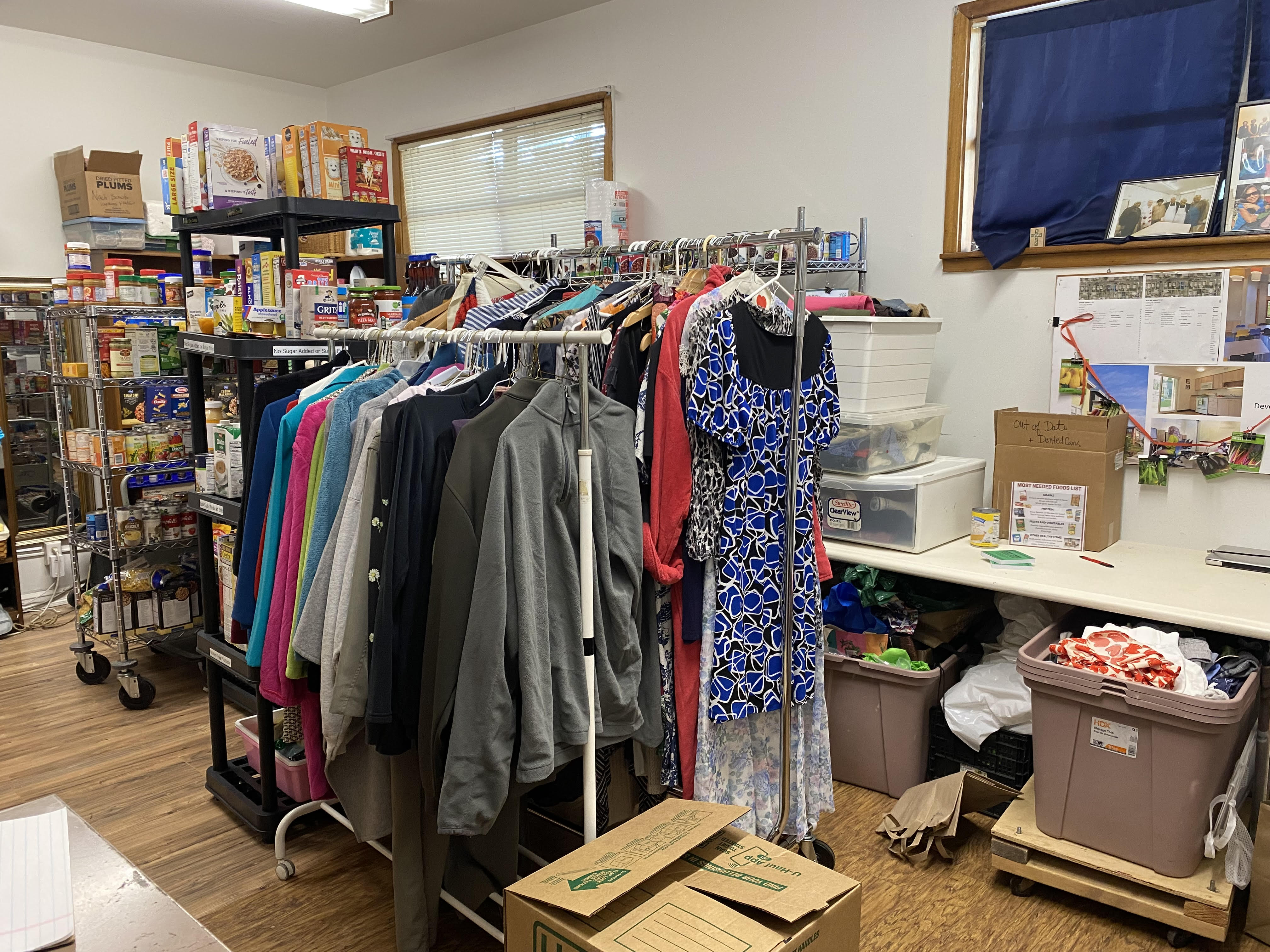
Weaving Together:
Our faith reminds us that we are called to “till and keep” the Earth (Genesis 2:15). At Bethel, we see this stewardship as a dual responsibility: caring for our neighbors and protecting the creation that sustains us.
The Crisis of Waste Our Clothing Closet is more than a charity; it is a stand against the “fast fashion” cycle that threatens God’s creation. Consider the impact:
- Water: One t-shirt requires 2,700 liters of water to produce.
- Waste: 92 million tons of textiles are dumped globally each year—that is a garbage truck of waste every single second. An American’s on average waste 81 pounds of fabric each year.
- Soil: Intense cotton farming depletes the land, making it harder to grow the food our world needs.
The Call to Civic Action While we serve our community through the Food Pantry & Clothing Closet, we must also address the policies that allow this destruction to continue. We cannot “keep the garden” through individual effort alone; we need leaders who prioritize environmental justice and social concern.
Let us move from service to advocacy, ensuring that our faith is felt at the Clothing Closet.
 Bethel EDC